Atmospheric Muon Research
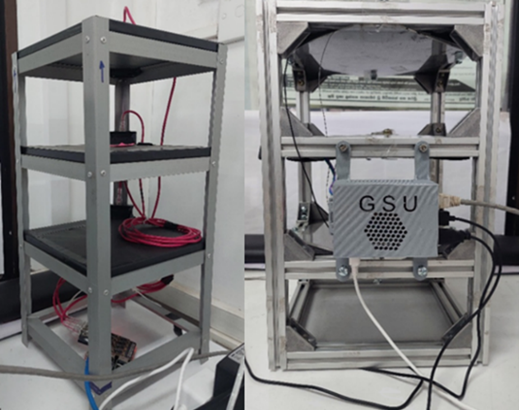
This atmospheric muon research is my final-year undergraduate research project,
which commence in June 2025 and will formally end in April 2026, with the submission
of my thesis and the presentation of the dissertation defense.
The research, conducted in collaboration with the Georgia State University (GSU) gLOWCOST initiative,
involves the study and analysis of trends and patterns in muon flux with different weather
parameters and geomagnetic factors, using GSU Muon Scintillation detectors located in
Sri Lanka (Colombo & Ruhuna) and Singapore.
Supervisors:
Dr. M. K. Jayananda, Prof. D. U. J. Sonnadara, Dr. D. Wickramarathna
A paper was submitted to the Institute of Physics Sri Lanka (IPSL) Technical Sessions 2026
jointly by myself and Saumya Induwara Jayasinghe, along with our supervisor and co-supervisors,
and my advisors and the creators of the muon detectors from Georgia State University, USA
on the 26th of January, 2026.
The paper was accepted on 27th of February, 2026
and published on 14th of March, 2026.
The conference paper can be found at https://ipsl.lk/documents/TechSession/2026/26101.pdf.
Leishmania Detection Research
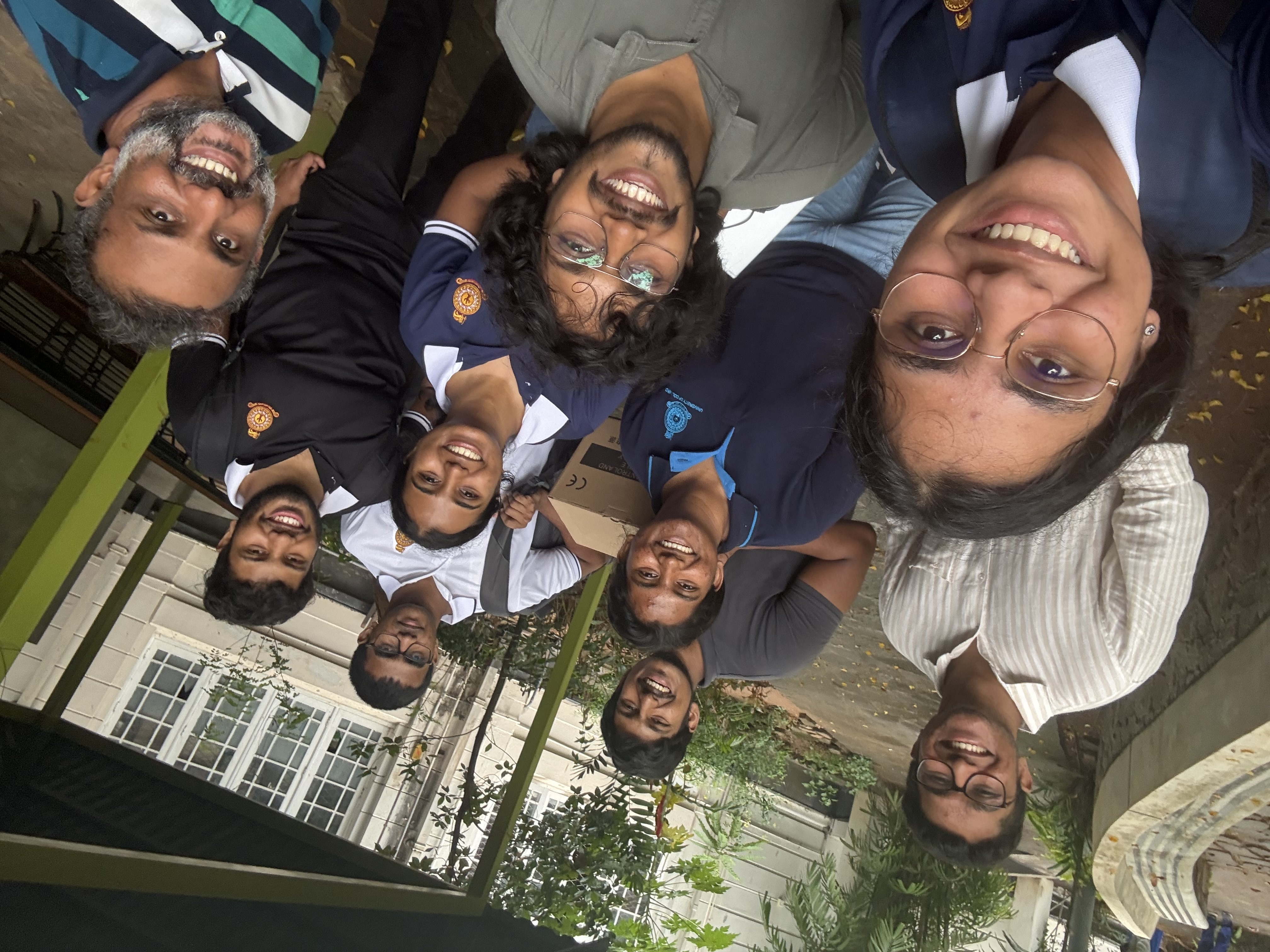
On 28th February 2025,
our group of 3rd year undergraduate students
in Physics
successfully presented to the Department of Parasitology
of the Faculty of Medicine, University of Colombo,
our research to detect leishmania amastigotes
in human skin tissue sample,
which ran for a full academic year.
In the Photo:
I'm taking the photo (right at the front).
On the right is Prof. Hiran Jayaweera.
In between us is Rashmadu.
Behind him are Anushika and Duthika (left to right).
At the back are Thidas, Malith, Bimsara, and Sasindu.
We are missing Didula in this photo.
In total, there were 9 of us students.
BUT WHY LEISHMANIA?
Because Leishmania is a protozoan parasite
transmitted by the bite of
infected sandflies,
and it causes Leishmaniasis,
which is a deadly parasitic disease!
After malaria, it is known to be
the deadliest parasitic disease globally.
It is a disease that is quite prevalent in Sri Lanka,
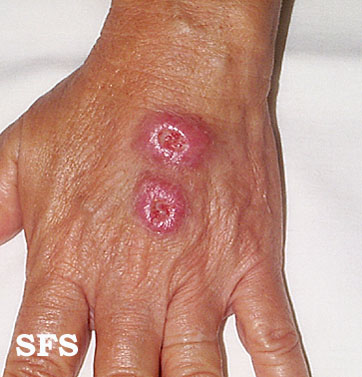
which is endemic to cutaneous leishmaniasis.